Light Meconium In Amniotic Fluid
This gives the waters only a slight greenish or yellowish tinge or discolouration. Meconium stained amniotic fluid is translucent light yellow-green in colour grade II MSAF is opalescent with deep green and light yellow in colour.
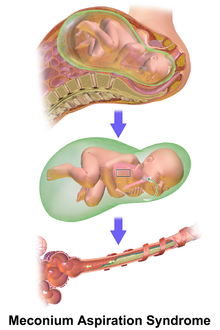
Meconium Aspiration Syndrome Wikipedia
Opaque and deep green liquor was regarded as thickly meconium stained TMS translucent and light yellow green colour was considered lightly meconium stained LMS while opalescent liquor with colour in between deep green and light yellow green was classified.

Light meconium in amniotic fluid. Grade III is opaque and deep green in colour1 21 2. Light meconium staining is when there is a small amount of meconium diluted in a plentiful amount of amniotic fluid. Alone meconium staining of the amniotic fluid does not mean that your baby is suffering from fetal distress but it will indicate your labor and birth team will look for signs of distress Light-colored meconium is not as much of a risk to your baby nor is it as likely to be a sign of fetal distress but rather the maturation of your baby.
Meconium staining is often the result of ongoing or transient fetal distress or prolonged gestation. But most babies with meconium in the amniotic fluid will not get MAS. Before or at a babys birth doctors will notice one or more of these signs.
The mean umbilical arterial pH in women with meconium-stained amniotic fluid did not differ across gestation. At delivery the nurse finds the infant to have depressed respirations and a heart rate of 80. If the contents of meconium diluted in amniotic fluid reach the babys lungs it can lead to a range of respiratory problems in the baby.
It is estimated that up to 15 of pregnancies are affected by meconium-stained amniotic fluid. Meconium aspiration syndrome was significantly more common in suctioned infants as compared to those selectively not suctioned those with light meconium and those with clear fluid 11 versus 3 versus 0 versus 0. The baby has meconium stains.
What Are the Signs Symptoms of Meconium Aspiration Syndrome. Retrospective recording of medical charts of full-term infants born following observation of meconium-stained amniotic fluid to examine glucose levels in the first hours of life. To evaluate whether meconium-stained amniotic fluid MSAF is a risk factor for neonatal hypoglycemia.
When Baby passes Meconium in utero making Amniotic fluid light to dark green it. A woman is in labor. Infants usually retain meconium in their bowels until after delivery but occasionally it is passed in the uterus resulting in meconium stained amniotic fluid.
Grade 1 meconium light is diluted by a large volume of amniotic fluid which is lightly stained by meconium Grade 2 moderate meconium is a reasonable amount of amniotic fluid with a heavy suspension of meconium and Grade 3 meconium thick meconium is in little amniotic fluid suggesting the presence of meconium in scanty. There is an excludes 1 note- you should not report meconium passage with meconium staining unless documentation supports that infant had staining and also passed meconium during delivery. Traditionally three grades of meconium are described.
If there has been light meconium not thick or lumpy your baby should be checked 1 and 2 hours after birth. The staining can be light or heavy and is considered hazardous for the fetus if its thick with dark green or black color. Traditionally three grades of meconium are described.
The entry on page 188 in the Alphabetic Index for Delivery complicated by meconium in liquor is assigned to code 6563 Fetal distress in the Tabular List. In about 10 of cases wheremeconium is passed the fetus gasps inhaling the sticky meconium into the upper respiratory tract. The amniotic fluid is meconium-stained green.
Meconium is your babys first poo and is usually harmlessly passed once your baby is born. Meconium can also be classified as thin or thick based on its consistency. Were notedThe meconium staining of amniotic fluid was classified as light moderate and thick on visual examination.
Asked Oct 23 2016 in Nursing by BioMan. Meconium is composed of materials ingested during the time the infant spends in the uterus. However only about 5-7 of the babies exposed to such a situation end up with breathing problems.
The baby has breathing problems or a slow heart rate. Understanding what causes meconium in your amniotic fluid can help you to. Grade 1 meconium light is diluted by a large volume of amniotic fluid which is lightly stained by meconium Grade 2 moderate meconium is a reasonable amount of amniotic fluid with a heavy suspension of meconium and Grade 3 meconium thick meconium is in little amniotic fluid suggesting the presence of meconium in scanty amounts of.
The overall incidence of meconium-stained amniotic fluid was 120 766 of 6403 deliveries. Some caregivers refer to this as Grade 1 meconium staining. Infants with meconium-stained amniotic fluid should no longer routinely receive intrapartum suctioning whether they are vigorous or not.
In some cases babies will pass this substance before birth and can potentially inhale it causing serious complications. Infants usually retain meconium in their bowels until after delivery but occasionally it is passed in the uterus resulting in meconium stained amniotic fluid. A patient in labor is found to have meconium-stained amniotic fluid upon rupture of membranes.
If inhaled by the fetus the enzymes and bile salts in meconium can cause in a condition called meconium aspiration. The staining can be light or heavy and is considered hazardous for the fetus if its thick with dark green or black color. P0382- is actually meconium passage during delivery.
Coding Clinic Fourth Quarter 2013 Page. Meconium-stained amniotic fluid and hypoglycemia among term newborn infants. Intestinal epithelial cells lanugo mucus amniotic fluid bile and water.
Your baby may be assessed by a neonatologist if checks suggest any concerns. In addition meconium-stained amniotic fluid is a condition that requires the notification and availability of an appropriately credentialed team with full resuscitation skills including endotracheal intubation. The presence of meconium in amniotic fluid may or may not be associated with fetal distress.
The rates of meconium-stained amniotic fluid increased from 12 at 32 weeks to 100 at 42 weeks. You should be told what is happening. This invention describes a process for the diagnosis of meconium stained amniotic fluid.
Meconium present in amniotic fluid is something all pregnant women are told to look out for. Thick greenish meconium with particulate matter in amniotic fluid was considerd as thick meconium while thin meconium was defined as light greenish staining of amniotic fluid9 Comparisons were made between grades of meconium to identify any significant difference between the two groups in association with neonatal outcomes. In about 10 of pregnancies overall the fetus discharges meconium its bowelcontents into the amniotic fluid during labour.

Meconium Aspiration Birth Injury Lawsuits Malpractice Lawyers

The Curse Of Meconium Stained Liquor Midwifethinking
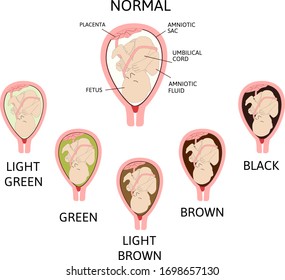
Amniotic Fluid Images Stock Photos Vectors Shutterstock

References In Meconium In Labour Obstetrics Gynaecology And Reproductive Medicine
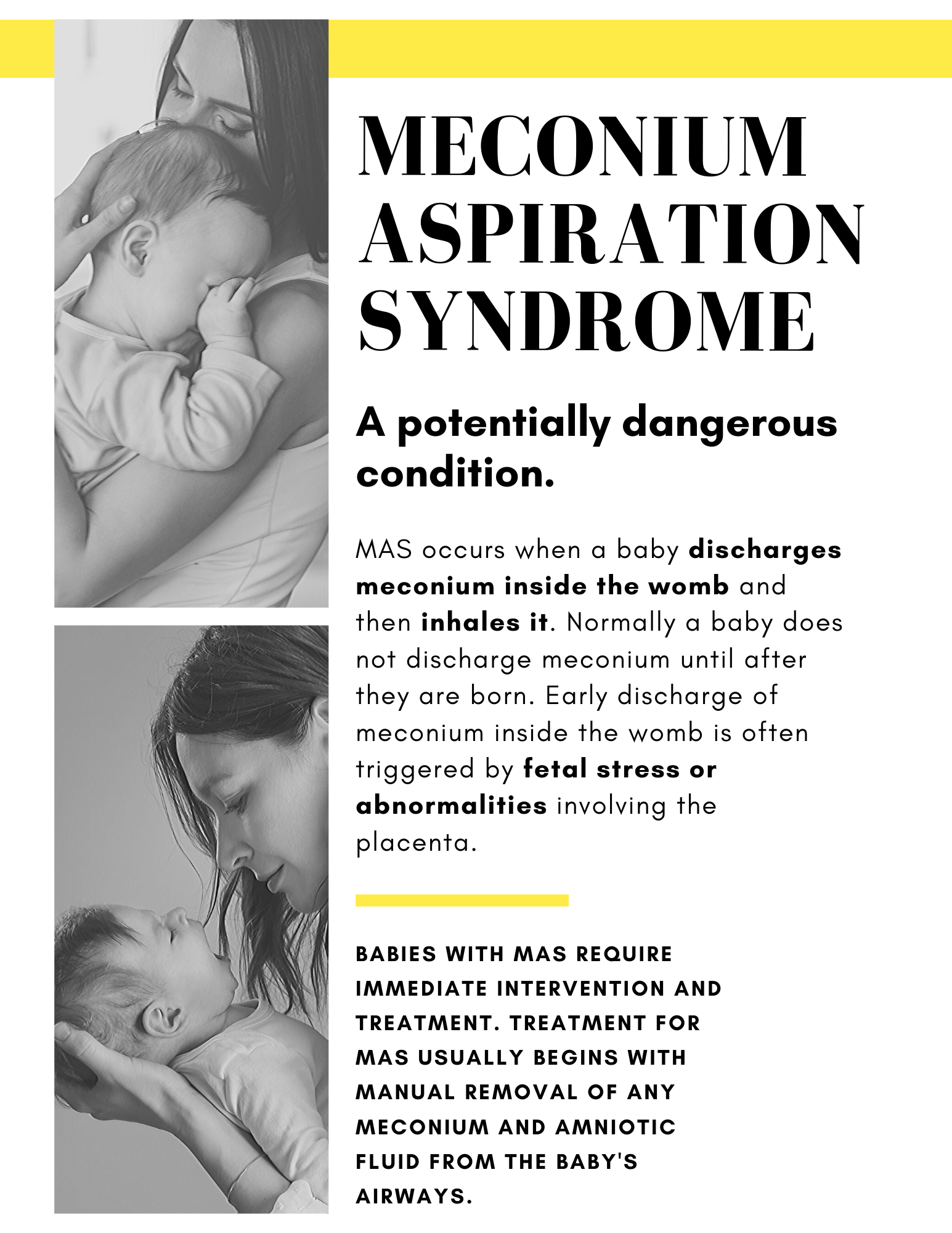
Meconium Aspiration Syndrome

Abnormalities Of Amniotic Fluid L Sekhavat M D Meconium Staining Staining Ppt Download
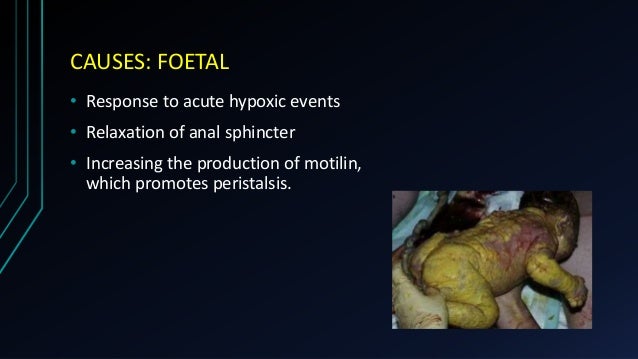
Meconium Stained Amniotic Fluid

Meconium Stained Amniotic Fluid
Meconium Meconium Is Orange Midwifery Group Practice Facebook


Fluid Analysis Part 5 Amniotic Fluid Examination Amniocentesis Normal And Abnormal Findings Labpedia Net
Tmi Pic Help Amniotic Fluid February 2020 Babies Forums What To Expect

Meconium In Amniotic Fluid Is It Dangerous Bellybelly

Abnormalities Of Amniotic Fluid Dehghani Firouzabadi M D

The Curse Of Meconium Stained Liquor Midwifethinking

Fetal Distress Meconium Stain Amniotic Fluid Fetal Distress

59 Meconium Vector Images Meconium Illustrations Depositphotos

File Aspiration Of Amniotic Fluid And Meconium Jpg Wikimedia Commons

Meconium Wikiwand

References In Meconium In Labour Obstetrics Gynaecology And Reproductive Medicine


Posting Komentar untuk "Light Meconium In Amniotic Fluid"