Define Specific Immune Response
Look it up now. The immune response is how your body recognizes and defends itself against bacteria viruses and substances that appear foreign and harmful.

Chapter 21 Immune System 1 21 The Immune System Innate And Adaptive Body Defenses Ppt Download Immune System Body Inflammation Immunology
Older definitions limits the definitionof an antigen to formation of an antibody howeveras you will learn there are two levels duality to the immune system.

Define specific immune response. There are two distinct aspects of the immune response the. Although B cells and T cells arise from a common hematopoietic stem cell differentiation pathway their sites of maturation and their roles in adaptive immunity are very different. The immune system protects the body from.
Immune reaction immunologic response. Most microbes can only infect certain species Most specific immune responses improve with repeated exposures to the infectious. The adaptive immune system evolved in early vertebrates and allows for a stronger immune response as well as immunological memory where each pathogen is remembered by a signature antigen.
Definition of immune response. EPITOPES These are the unique regionsor chemical groups on a molecule that are antigenic. Ie that elicita specific immune response.
An immune response is a reaction which occurs within an organism for the purpose of defending against foreign invaders. Immune response an antagonistic and specific host reaction in response to foreign ANTIGENS involving the formation of ANTIBODIES by B-CELLS or a cell-mediated response by T-CELLS. Immune response definition any of the bodys immunologic reactions to an antigen.
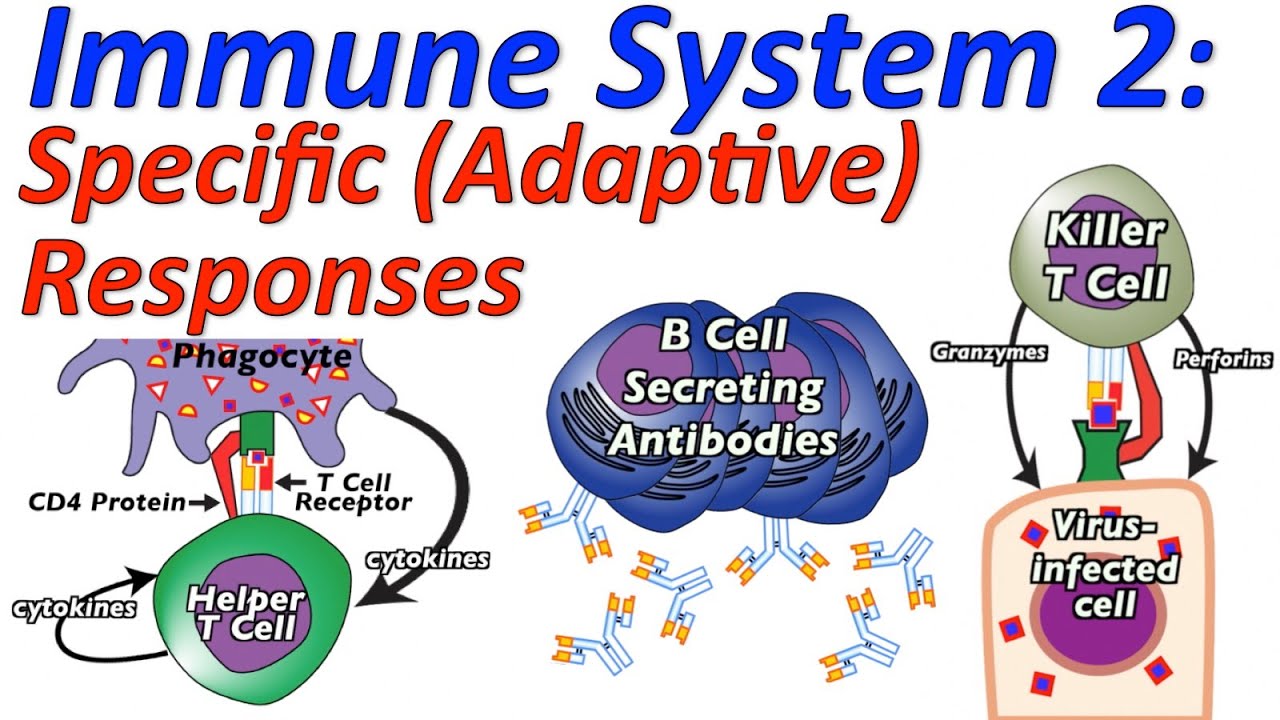
After recognizing the invader the cells can multiply and combat it leading to recovery from. The second specific response. The adaptive immune response is antigen-specific and requires the recognition of specific non-self antigens during a process called antigen presentation.
Antigen specificity allows for the generation of. Adaptive specific immunity involves the actions of two distinct cell types. However they usually act together with the innate response representing the first line of host defense and with the adaptive response becoming prominent after several days as antigen-specific T and B cells have undergone clonal.
The adaptive immune response is specific to the pathogen presented. B lymphocytes B cells and T lymphocytes T cells. Inflammation is the immune systems response to harmful stimuli such as pathogens damaged cells toxic compounds or irradiation and acts by removing injurious stimuli and initiating the healing process.
Adaptive immunity is also referred to as acquired immunity or specific immunity and is only found in vertebrates. Once the non-specific barriers to infection have been breached the specific immune responses to pathogens come into play. Inflammation is therefore a defense mechanism that is vital to health.
The immune response is a vital defence mechanism. Called also immune reaction. Adaptive immune cells are the second and specific line of defense and they are called to action by the innate immune system.
Mucosal surfaces are prime entry points for pathogens and specialized immune hubs are strategically. Immune cells are enriched in specific areas of the spleen and upon recognizing blood-borne pathogens they will activate and respond accordingly. Immune response- a bodily defense reaction that recognizes an invading substance an antigen.
INNATE IMMUNITY Non-Specific Immune Response Physiology Unit 3. A bodily response to an antigen that occurs when lymphocytes identify the antigenic molecule as foreign and induce the formation of antibodies and lymphocytes capable of reacting with it and rendering it harmless. Such as a virus or fungus or bacteria or transplanted organ and produces antibodies specific against that antigen.
Interleukins which come in over 30 varieties provide context-specific instructions with activating or inhibitory responses. These invaders include a wide variety of different microorganisms including viruses bacteria parasites and fungi which could cause serious problems to the health of the host organism if not cleared from the body. A preparation that is administered as by injection to stimulate the bodys immune response against a specific infectious agent or disease.
Acquired immunity Hallmarks of acquired immunity include - specificity discrimination between self and non-self and memory rapid response to previously encountered antigen Two types of immune response. Chemokines are made in specific locations of the body or at a site of infection to attract immune. Immune Cells Diverse collection of.
Adaptive specific Immunity Bio 139 Dr. Resistance to Disease Body defenses against infectious disease Immune system has 2 arms. Specific immune responses are generated by adaptive immunity while nonspecific immune responses are generated by innate immunity.
From the Cambridge English Corpus Using two-dimensional gel electrophoresis to study immune response against intracellular bacterial infection. Usually during acute inflammatory responses cellular and molecular events and interactions efficiently minimize. The innate and adaptive immune systems are often described as contrasting separate arms of the host response.
Amy Rogers Adaptive Immunity Host defenses that are specific to a particular infectious agent Can be innate or genetic for humans as a group. Type I interferons mediate antiviral immune responses and type II interferon is important for antibacterial responses. The adaptive immune system.
An immediate protective responses of the immune system that does not require previous exposure to the invader. Accordingly the specific immune response is the third line defense of the body while the nonspecific immune response is the first line and second line defenses of the body. Innate or non-specific immunity Adaptive or specific immunity.
When such antibodies are present in the body the individual is said to possess IMMUNITY against the specific antigen that stimulated the antibody production. If two parasite species share antigens a specific immune response elicited by one may be effective against the second.

Innate Adaptive Systems Work Hand In Hand Humoral Immunity Primarily Involving B Lymphocytes Nursing School Notes Nursing School Tips Immune System Nursing

Difference Between Primary And Secondary Immune Response Definition Facts Antibodies And Differences Immune Response No Response Biology Lessons

Immunology Definition Types Tests Innate And Adaptive Immunity In 2021 Immunity Immunology Immunity Nursing

Immunology And Types Of Immunity Csir Net Lifescience Youtube Immunology Immunity Life Science

How Innate Immunity Or Non Specific Immunity Forms The First Line Of Defense Of Our Immune System Immune System Nursing Immunology Nursing School Survival

Difference Between Innate And Adaptive Immunity Comparison Summary Immunity Nursing Nursing School Essential Immune System Nursing

Hypersensitivity Reactions Lecture Notes Medical Laboratory Science Hypersensitivity Reactions Medical School Studying

Mucosal Immunity Immune System Nursing Immune System Medical School Studying

Women S Health Dietitian On Instagram Endometriosis Affects 1 In 10 Of Women And Yet It S Still A Highly Misunde In 2021 Endometriosis Health Adaptive Immune System

Difference Between Specific And Nonspecific Immune Response Definition Components Function Immune Response Immune System Nursing No Response

Adaptive Immune System Adaptive Immune System Immune System Human Anatomy And Physiology

Difference Between Medical Laboratory Science Medical Knowledge Medical School Motivation
Pin On Kids Science Help
Pin On Cell Biology

Pin En Adaptive Immunity

Adaptive Immunity Immunity Nursing Nursing School Nursing School Tips

Innate Vs Adaptive Immunity Immunology Pharmacy Books Immunity

Difference Between Innate And Adaptive Immunity Comparison Summary Immunity Nursing Nursing School Essential Immune System Nursing

Immune Responses Immune Response Immunity Nursing Immunity


Posting Komentar untuk "Define Specific Immune Response"